 admin
admin The skin around the eyes is thinner than anywhere else on the face. It has fewer oil glands, less structural support, and takes the full impact of every squint, smile, and sleepless night. It’s usually the first place ageing becomes visible, and the last place that responds well to generic skincare advice.
A complete approach to eye area ageing means understanding what’s actually happening structurally, what habits genuinely slow the process, and where cosmetic procedures fit in when lifestyle measures are no longer enough.
What’s Happening Beneath the Surface
Eye area ageing isn’t just about skin. Several things happen simultaneously over time. Collagen and elastin production slow, reducing the skin’s ability to spring back. The fat pads that sit beneath the eyes shift and thin, creating hollows or allowing the remaining tissue to drop. Bone density in the orbital area gradually decreases, which changes the overall support structure. Muscles weaken, contributing to drooping of the upper lid.
Understanding this matters because it explains why a single cream or treatment rarely addresses everything. Different aspects of eye area ageing have different causes and respond to different interventions.
The Foundation: Habits That Actually Help
Consistent sun protection is the single most effective anti-ageing habit you can build, and the eye area is no exception. UV exposure degrades collagen and accelerates the thinning of already delicate skin. A broad-spectrum SPF applied daily, along with sunglasses that block UV, makes a measurable long-term difference.
Sleep position affects the eye area more than most people realise. Consistent side or front sleeping compresses the skin against a pillow for hours at a time, gradually deepening lines on one side of the face. Back sleeping eliminates this pressure entirely.
Diet and hydration don’t directly “fix” ageing, but chronic dehydration and nutritional deficiencies show up in the skin. Adequate protein supports collagen synthesis. Reducing alcohol and salt intake helps with puffiness and fluid retention around the eyes.
Topical Products Worth Using
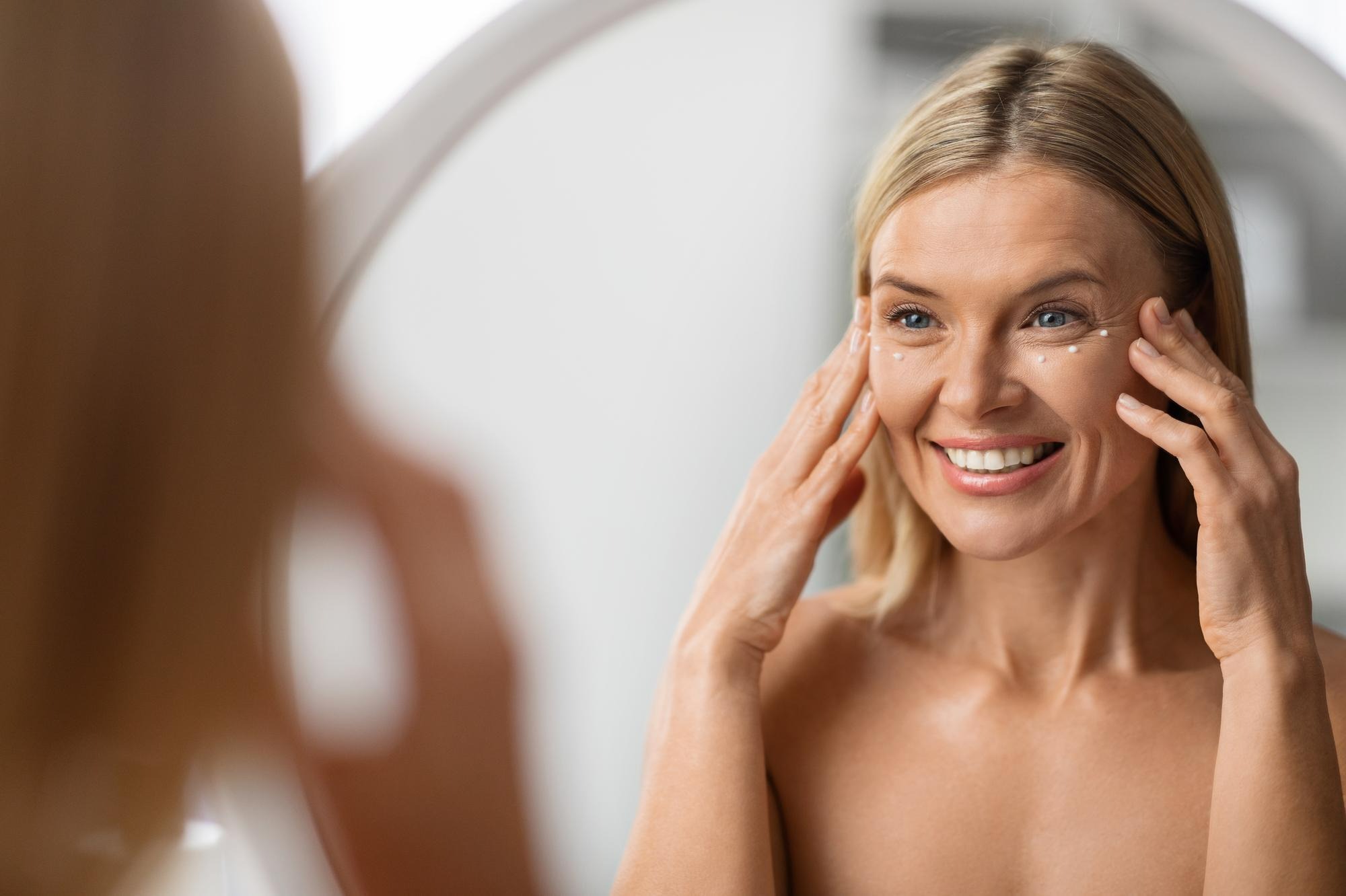
The eye area does respond to some ingredients, within realistic limits. Retinol stimulates collagen production and cell turnover, and with consistent use can soften fine lines and improve skin texture over time. Start with a low concentration to avoid irritation on thin skin.
Peptides support the skin’s structural proteins and are generally well tolerated. Caffeine in eye creams temporarily reduces puffiness by constricting blood vessels, though the effect is short-lived. Hyaluronic acid plumps the surface and helps with dryness.
None of these will address significant structural changes, but they slow surface deterioration and keep the skin in better condition over time.
Non-Surgical Procedures
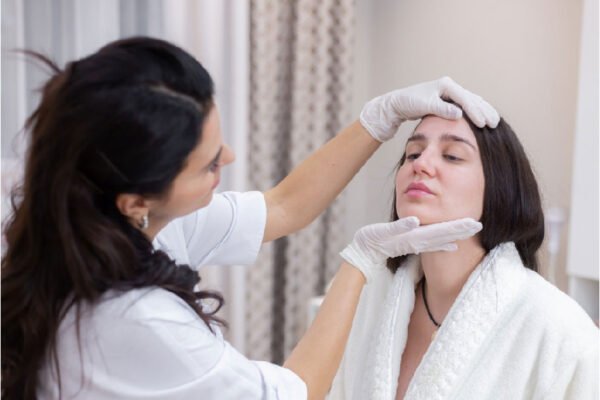
For more visible signs of ageing, non-surgical options address things that skincare cannot. Botulinum toxin (commonly known as Botox) relaxes the muscles responsible for crow’s feet and, in skilled hands, can give a subtle lift to the brow. Results typically last three to four months.
Dermal fillers placed carefully in the tear trough area can reduce the appearance of hollowing beneath the eyes. This is a technique-sensitive procedure, and the choice of injector matters significantly. Poorly placed filler in this area is one of the more common aesthetic complaints, so selecting an experienced practitioner is not optional.
Radiofrequency and ultrasound-based treatments stimulate collagen remodelling in the deeper layers of the skin, producing gradual tightening over several months. They work best as maintenance rather than correction, and results are modest compared to surgical options.
When Blepharoplasty Makes Sense
Blepharoplasty is a surgical procedure that addresses excess skin, fat, and muscle around the eyes. Upper blepharoplasty removes the loose skin that accumulates on the upper lid, which, in more significant cases, can impair the visual field rather than simply affect appearance. Lower blepharoplasty targets bags and excess skin beneath the eyes.
It is not the starting point for everyone, but for people whose concerns are structural rather than superficial, it produces results that no topical product or injectable can replicate. Recovery typically takes one to two weeks for visible bruising and swelling to settle, with final results apparent at around three months.
Results from blepharoplasty are long-lasting. The structural changes made are permanent, though the surrounding skin will continue to age naturally. Most people who have the procedure find it resolves concerns they had been managing unsuccessfully with other approaches for years.
Putting It Together
The most sensible approach to eye area ageing is sequential. Consistent sun protection and basic skincare form the foundation. Non-surgical treatments address moderate concerns and can be a good middle ground for people not yet ready for surgery. Blepharoplasty is for when the changes are structural and other options have reached their limits.
The eye area responds well to being taken seriously early. The habits that protect it are not complicated, and the options available when more intervention is needed are genuinely effective.