 admin
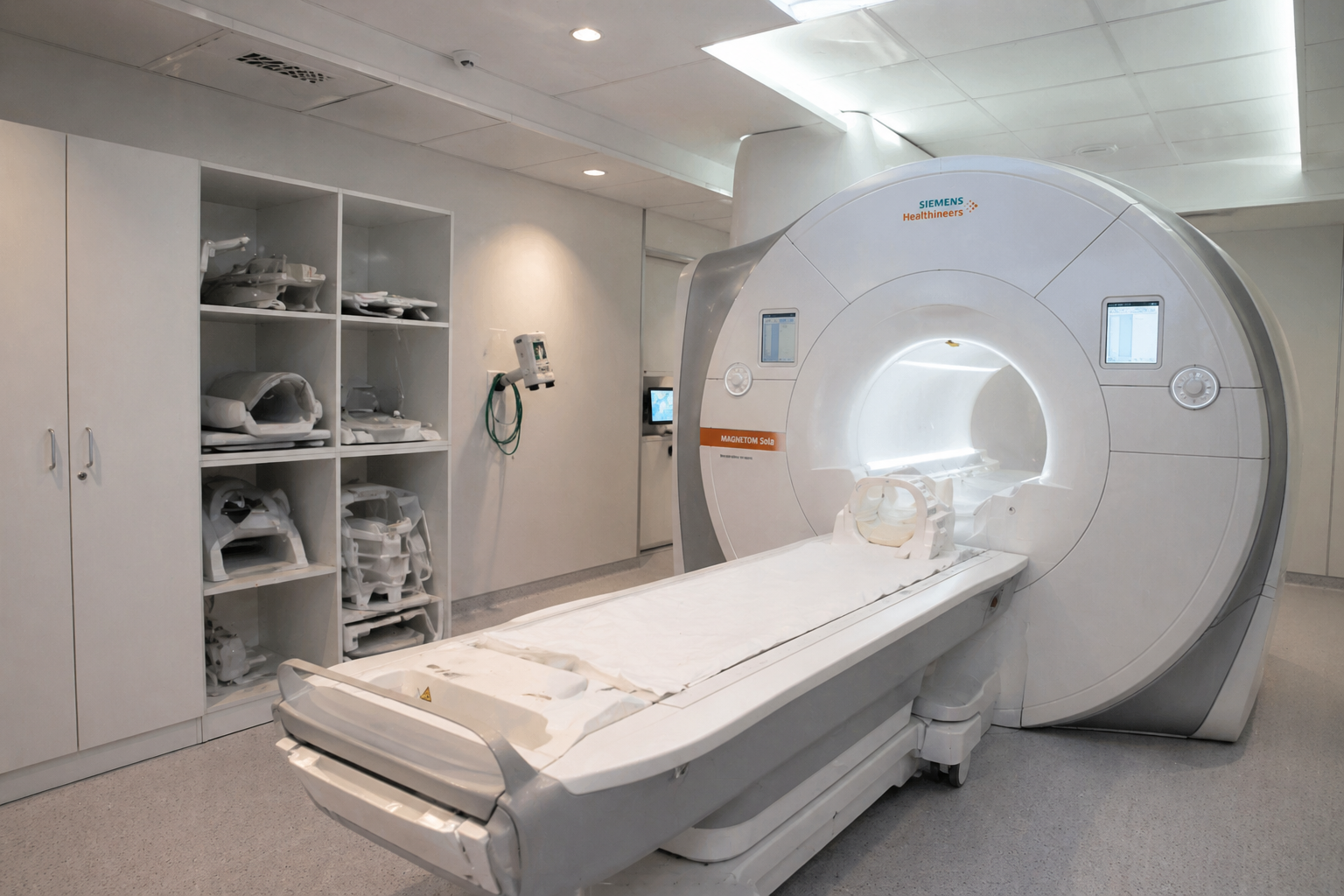
admin Magnetic resonance imaging provides highly detailed insight into the structure of the human body. It is widely used to assess soft tissues, joints, the spine and internal organs. Despite the advanced technology behind MRI, the scan itself does not deliver a diagnosis. The key element is the professional interpretation prepared by a radiologist.
For patients who want both accuracy and faster access to results, a private radiologist MRI report can be a practical solution. It combines expert analysis with a more efficient process, helping patients move forward with their care without unnecessary delays.
What a private radiologist MRI report includes
A private radiologist MRI report is a structured medical document based on a detailed analysis of the scan. The radiologist reviews multiple image sequences, each showing different aspects of the examined area, and evaluates them together to form a complete picture.
The report typically contains a description of anatomical structures, an assessment of their condition and any findings that may require attention. It concludes with a summary that highlights the most important observations in a clear and concise way.
This summary is particularly useful during medical consultations, as it helps guide further diagnostic or treatment decisions.
How the process works step by step
Obtaining a report from a private radiologist is designed to be simple and convenient. After completing an MRI scan, patients receive access to their imaging files, which can then be submitted for interpretation.
The process usually includes:
- uploading MRI images through a secure platform
- providing basic medical information and symptoms
- confirming consent for safe handling of data
- receiving the completed report once the analysis is finished
This approach allows patients to access expert evaluation without needing to return to the imaging center.
Why accuracy depends on expert analysis
MRI scans contain a large amount of complex data, and their correct interpretation requires experience and attention to detail. A radiologist does not rely on a single image, but analyzes the entire set of sequences to identify patterns and subtle differences.
During the evaluation, the specialist considers:
- the structure and condition of tissues
- relationships between anatomical elements
- possible signs of inflammation or degeneration
- consistency of findings across different images
This careful analysis ensures that the report is both accurate and clinically useful.
Faster results without compromising quality
One of the main advantages of choosing a private radiologist MRI report is the shorter waiting time. In many cases, patients can receive their results significantly faster than through standard diagnostic pathways.
This can be especially helpful when preparing for a specialist consultation or when timely clarification is needed. At the same time, speed does not replace quality. Reports are prepared according to the same medical standards, ensuring reliable and professional interpretation.
The importance of discussing results with a doctor
Even when a report is delivered quickly, it should always be reviewed with a treating physician. The radiologist describes what is visible in the scan, but the doctor interprets these findings in the context of symptoms, medical history and other tests.
This collaboration ensures that the results are fully understood and used appropriately in the diagnostic process. It also helps patients avoid unnecessary concern and focus on the next steps in their care.
A practical approach to modern diagnostics
A private radiologist MRI report offers a balance between accuracy and efficiency. By combining expert interpretation with a streamlined process, it provides patients with timely and reliable information about their health.
In modern healthcare, access to clear and well-prepared diagnostic reports plays a crucial role. With the support of experienced radiologists and faster turnaround times, patients can move through the diagnostic process with greater confidence and clarity.