 admin
admin 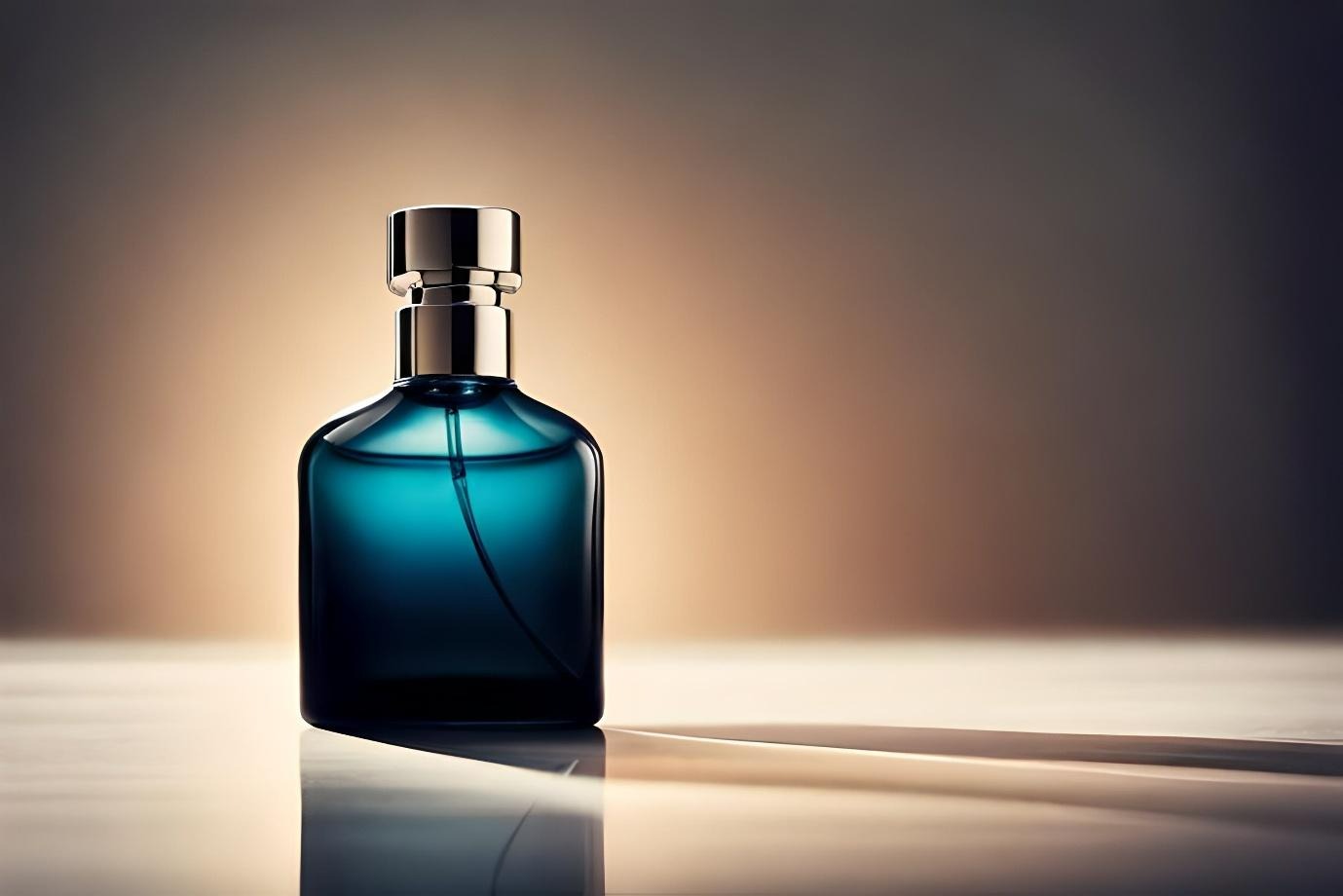
Minimalism has become a defining feature of modern men’s fashion. Clean lines, neutral palettes and thoughtfully chosen details now take precedence over excess. Yet minimal style doesn’t mean lacking personality. In fact, when done well, it allows every element to stand out. This is where men’s fragrance plays a powerful role. A carefully selected scent can add depth, character and confidence to even the most understated look, proving that simplicity can still make a lasting impression.
Fragrance, much like fashion, is a form of self-expression. For men who favour pared-back wardrobes, scent becomes a key way to communicate individuality. Whether you lean towards crisp tailoring or relaxed streetwear, the right fragrance can elevate your style without compromising its clean aesthetic.
Why Minimalist Men Rely on Fragrance
Minimalist fashion is built on intention. Each piece in a wardrobe has a purpose, and nothing is worn without thought. Fragrance fits seamlessly into this mindset. Rather than owning dozens of bottles, many minimalist men choose a few well-considered scents that align with their lifestyle and personality.
A minimalist men’s fragrance is about balance and refinement. Notes such as woods, musks, herbs and soft spices often form the foundation of these scents, offering depth without overpowering the senses. When applied lightly, they leave a subtle trail that feels polished and confident.
Men who dress simply often appreciate fragrance for its ability to create impact without visual clutter. A clean outfit paired with a distinctive scent feels complete, showing attention to detail and a strong sense of self. In many ways, fragrance becomes the signature element of a minimalist look.
Choosing Scents That Speak Without Shouting
When building a fragrance collection around minimalist principles, quality and versatility matter most. The goal is to find scents that work across different settings while still feeling expressive.
Clean and Woody Foundations
Woody fragrances are a staple for minimalist men. Notes like cedarwood, sandalwood and vetiver feel grounded and timeless, pairing effortlessly with neutral clothing and structured silhouettes. These scents are ideal for everyday wear, offering warmth and depth without being overwhelming.
A fragrance that works with your everyday routine can also support your overall sense of wellbeing. Just as choosing the right grooming routines or incorporating mindful movement into your schedule can make an active lifestyle feel more intentional and supported, regular care for your body matters too.
Fresh Aromatic Touches
Aromatic notes such as rosemary, lavender and sage add a crisp, modern edge. They work particularly well for men who prefer light layers, tailored shirts or relaxed smart-casual outfits. These scents feel clean and energising, making them suitable for workdays and social occasions alike.
Soft Spices for Subtle Impact
For those who want a little more presence, soft spices such as cardamom or pepper can add interest without straying from minimalist values. Used sparingly, these notes create intrigue and individuality while remaining refined.
Day-to-Night Versatility
Minimalist men often value efficiency, and fragrance is no exception. Scents that transition smoothly from day to evening are especially appealing. A well-balanced fragrance can feel fresh during the day and deepen naturally as the hours pass, eliminating the need to change or reapply.
Building a Statement With Simplicity
A minimalist fragrance wardrobe doesn’t need to be large. In fact, fewer choices often lead to stronger personal identity.
Focus on Longevity and Skin Chemistry
Understanding how fragrance interacts with your skin is key. A scent that develops beautifully over time and lasts through the day becomes a reliable companion. Testing fragrances in real-life situations helps ensure they align with your routine and preferences.
Seasonal Adjustments Without Excess
Minimalism doesn’t mean ignoring seasonal changes. Lighter, fresher scents often feel better in warmer months, while deeper, woodier fragrances suit colder weather. Rotating between two or three trusted options keeps your collection streamlined and practical.
Confidence Through Consistency
Wearing a consistent fragrance helps build a personal signature. Over time, people begin to associate that scent with you, reinforcing your presence in subtle yet meaningful ways. This consistency mirrors minimalist fashion, where repeated use of well-loved pieces creates a recognisable style.
Letting the Scent Do the Talking
Minimalist style is about restraint, and fragrance should follow the same principle. A light application allows the scent to reveal itself gradually, creating an impression that feels natural rather than forced. This quiet confidence is what truly makes a statement.
Minimalist style proves that less can be more, and fragrance is no exception. By choosing thoughtful, well-crafted scents, men can enhance their personal style without adding visual complexity. A distinctive fragrance complements clean lines and neutral tones, offering depth and individuality that words often can’t express.
In a world that often celebrates excess, minimalist men show that impact comes from intention. With the right fragrance, simplicity becomes powerful, confidence feels effortless, and personal style speaks volumes.