
 admin
admin Julie Farrait is most remembered as the wife of Frank Lucas, the Harlem drug kingpin whose life inspired the movie American Gangster. Her story is not just about being a wife but about love, danger, family, and survival. From her youth in Puerto Rico to her life with Frank in New York, she became tied to one of the biggest crime stories of the 20th century.
Quick Bio of Julie Farrait
| Fact | Details |
| Full Name | Julie (Julianna) Farrait |
| Born | Puerto Rico, c.1941 |
| Known As | Wife of drug kingpin Frank Lucas |
| Marriage | Married Frank Lucas around 1967 |
| Famous For | Marriage to Frank Lucas, role in his life |
| Children | Including daughter Francine Lucas-Sinclair |
| Notable Event | Arrested and jailed in 1970s, later in 2010 |
| Portrayed In Film | American Gangster (2007) as “Eva” |
| Frank Lucas Death | 2019, Julie attended his funeral |
| Life Today | Lives privately after prison |
| Nationality | Puerto Rican |
| Family Connection | Supportive wife and mother |
| Public Attention | Known through Frank Lucas’s rise and fall |
Early Life in Puerto Rico
Julie Farrait was born in Puerto Rico around 1941. Reports describe her as a beautiful young woman who once held the title of homecoming queen. She lived a modest life before meeting Frank Lucas. While not much detail about her childhood is public, her charm and presence became important when she met the man who would change her future.
How Julie Met Frank Lucas
The story of Frank Lucas and Julianna Farrait marriage began in the 1960s. Accounts say they met either on a plane or at a social club. By 1967, they were married. Julie was young and full of life, while Frank was beginning to build his empire. Their marriage quickly became connected to the dangerous world of drugs and power in Harlem.
Life as Frank’s Wife
As Frank’s wife, Julie experienced a life of wealth and glamour. She wore designer clothes and attended high-end events. Yet, behind the shine was fear. The business Frank ran was dangerous, and both he and Julie faced constant risks. Frank Lucas’s wife young lived in a world where money flowed but police and rivals were always close.
Also Read: Troozer com: A Complete Platform for Digital Efficiency
Family and Children
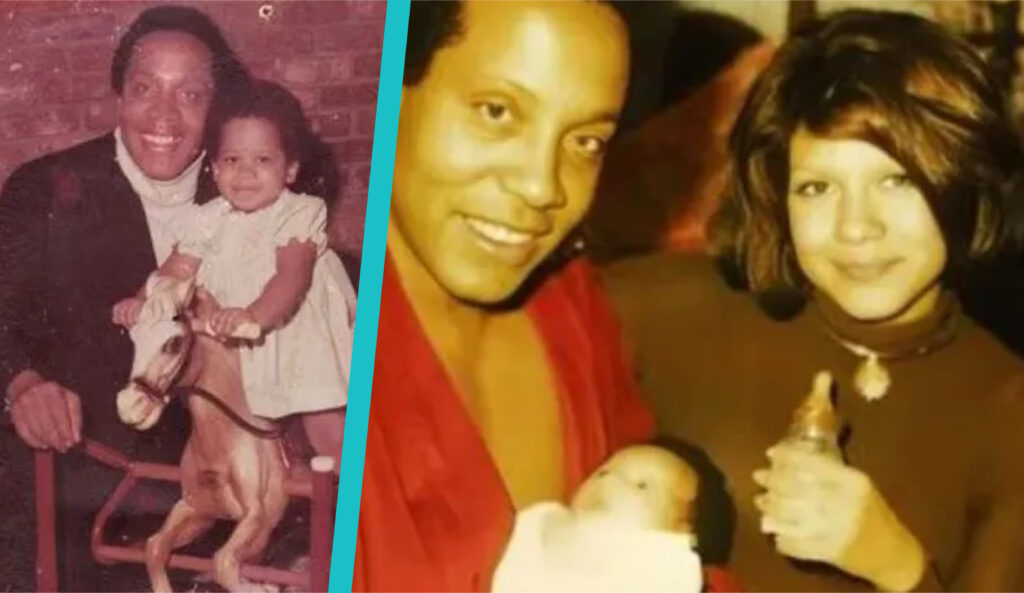
Julie Farrait and Frank had several children together. Their daughter, Francine Lucas-Sinclair, became well known in later years for her nonprofit Yellow Brick Roads, which helps children with parents in prison. While some blogs try to guess Francine Lucas-Sinclair net worth, her focus has been more on social work than wealth. Julie played a big role in raising her children, even as her husband’s empire collapsed.
Arrests and Legal Troubles
In the 1970s, both Frank and Julie Farrait faced serious charges. Julie was convicted in cases linked to Frank’s drug trade and spent about five years in prison. This showed that she was not only the wife of a drug lord but also part of his world. Prison time changed her life and gave her a hard reputation.
The 2010 Arrest
Years later, Julie Farrait made headlines again. In 2010, she was arrested in Puerto Rico for trying to sell two kilos of cocaine to an informant. Reports say she was recorded in meetings, which led to her being caught. In 2012, she was sentenced to five years in prison. During the trial, she asked for compassion because Frank was sick at the time.
Portrayal in American Gangster
The story of Frank Lucas’s wife was shown in the movie American Gangster (2007). The character Eva, played by Lymari Nadal, was based on Julie Farrait. The film made her look like a former Miss Puerto Rico, though in real life she was more of a homecoming queen. Even with the changes, the film gave the world a look at her role in Frank’s life.
Frank Lucas’s Death and Julie Today
When Frank Lucas died in 2019, Julie Farrait attended his funeral. Many photos showed her there, paying respect to the man she had shared her life with, even through ups and downs. Reports about Frank Lucas wife today say she lives a private life away from the media. She is no longer in the spotlight but is remembered as part of a famous story.
Net Worth and Speculation
Many people search for Frank Lucas wife net worth or ask about Julie’s money. In truth, there is no clear record of her fortune. Some websites guess amounts, but none are proven. Most of Frank’s wealth was lost through arrests, seizures, and lifestyle. As for Julie, she is more remembered for her role as Frank Lucas’s wife than for her personal riches.
Legacy of Julie Farrait
The legacy of Julie Farrait is tied to Frank Lucas but also stands on its own. She lived a life of extremes: wealth, prison, motherhood, and survival. While some see her as only a wife, her story shows the cost of being close to crime. Her children, like Francine, show another side of the family—choosing good causes and trying to build a better future.
Further: Maura Ddhu Studi Net Worth: How Rich Is Wes Studi’s Wife?
Conclusion
The life of Julie Farrait is full of lessons. She was once Frank’s wife young, living a glamorous life, but also faced prison and hardship. She stood by Frank through love and through trials. Today, she is remembered as a symbol of both strength and caution. Her story shows how choices in youth can shape an entire life and how family can survive even the hardest times.
Frequently Asked Questions
1. Who is Julie Farrait?
She is the Puerto Rican-born wife of drug lord Frank Lucas.
2. Did Julie Farrait go to prison?
Yes, she served time in the 1970s and again after a 2010 arrest.
3. What happened to Frank Lucas’s wife today?
She lives privately after attending Frank’s funeral in 2019.
4. Who is Francine Lucas-Sinclair?
She is Julie’s daughter, known for founding Yellow Brick Roads.
5. Was Julie Farrait in American Gangster?
Her character was shown as “Eva,” played by Lymari Nadal.