 admin
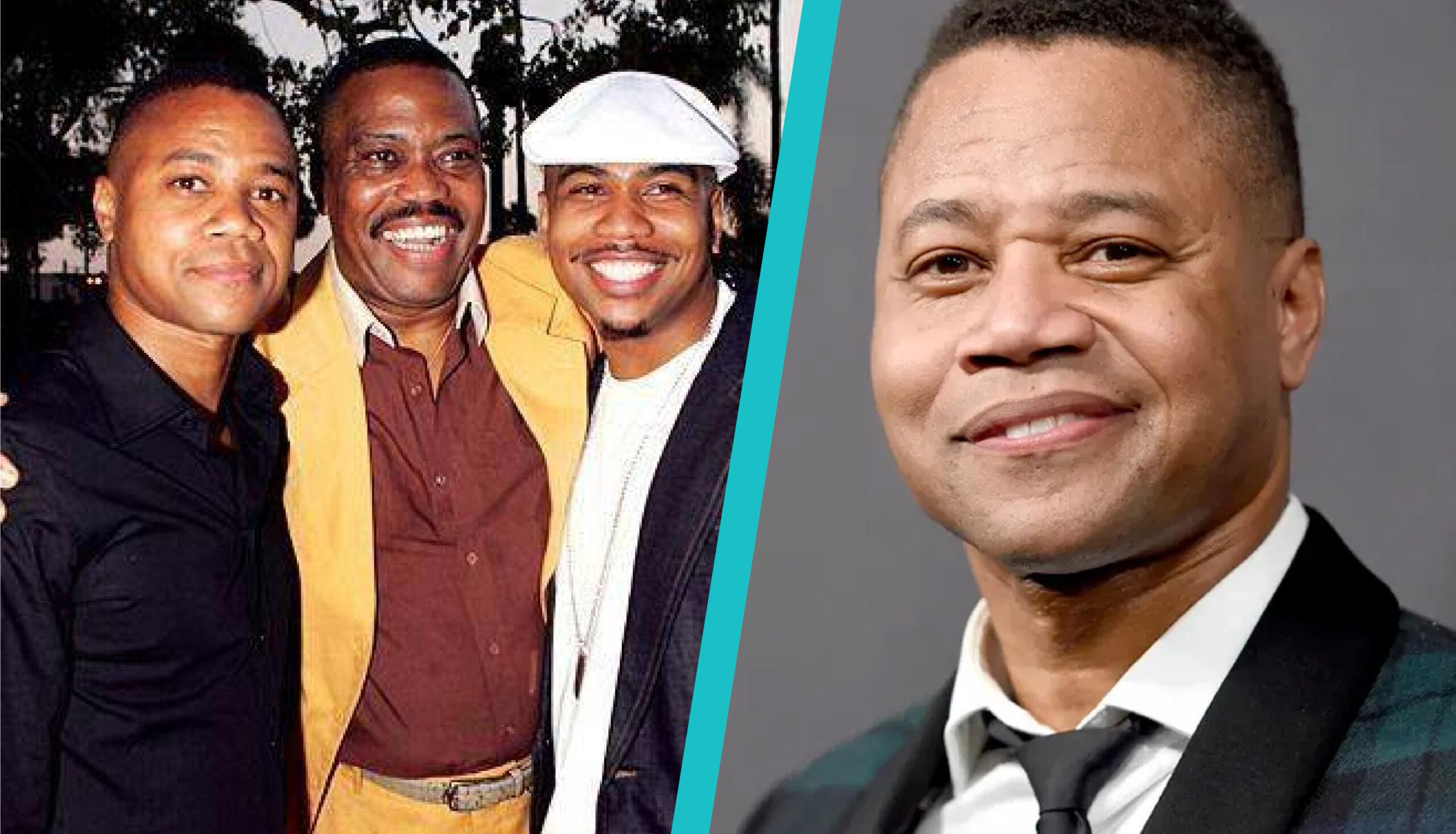
admin Tommy Gooding may not be as well-known as his famous brothers, Cuba Gooding Jr. and Omar Gooding, but his story is just as important in understanding the legacy of the Gooding family. Coming from a family filled with music, acting, and creativity, Tommy chose a career in music rather than Hollywood. His father, Cuba Gooding Sr., was a legendary soul singer and part of the group The Main Ingredient, which left a mark on American music history.
Quick Bio Table of Tommy Gooding
| Fact | Details |
| Full Name | Tommy Gooding |
| Date of Birth | June 3, 1980 (reported) |
| Age | 43 years (as of 2023) |
| Father | Cuba Gooding Sr. |
| Mother | Unknown (different from Shirley Sullivan) |
| Siblings | Cuba Gooding Jr., Omar Gooding, April Gooding |
| Known For | Musician, Bassist, Music Director |
| Education | Five Towns College (studied music) |
| Career Path | Live performances, band direction |
| Famous Group of Father | The Main Ingredient |
| @tgoodingbass | |
| Nationality | American |
Early Life of Tommy Gooding
Born on June 3, 1980, Tommy Gooding grew up surrounded by rhythm and stage life. His father, Cuba Gooding Sr., had already built a music legacy, and his brothers Cuba Jr. and Omar were stepping into acting careers. Tommy, however, showed a strong interest in instruments, particularly the bass guitar. His family history deeply influenced his love for the arts.
Tommy Gooding age is often noted as one of the interesting details about him, as he is the youngest among the Gooding siblings. Despite being born into a star-studded family, he preferred to keep his personal life more private than his brothers.
The Legacy of Cuba Gooding Sr.
To understand Tommy, you must first understand his father. Cuba Gooding Sr. was the lead singer of The Main Ingredient, a group best known for the classic hit “Everybody Plays the Fool” in 1972. So, when people ask, “What group did Cuba Gooding Sr. sing with?”, the answer is always The Main Ingredient.
Cuba Sr. gave his children both discipline and passion for the arts. His musical success created an environment where talent could flourish. Tommy inherited his father’s love for music, while Cuba Gooding Jr. pursued acting and later won an Academy Award, and Omar Gooding became known for television roles.
More: The Hidden Life of Gary Phillip Spector, Phil Spector’s Adopted Son
Education and Musical Path
Unlike his brothers who entered film and television, Tommy Gooding studied music more seriously. He attended Five Towns College in New York, where he focused on composing, producing, and live performance. His studies allowed him to sharpen his natural talent and understand the music business.
Tommy’s work has included playing bass for different bands and acting as a musical director. His quiet dedication to the craft makes him stand out in a family often in the public eye.
Family Connections: Brothers and Parents
Cuba Gooding Jr.’s father was, of course, the talented Cuba Gooding Sr., while Cuba Gooding Jr.’s mother is Shirley Sullivan, who also had a background in music. Together, they raised children who carried their legacy forward.
Omar Gooding’s father and Cuba Gooding Jr.’s dad are the same man — Cuba Sr. This means that Omar Gooding’s brother is Cuba Jr., and both share Tommy as their sibling. While Cuba Jr. rose to Hollywood stardom in films like Jerry Maguire, and Omar gained recognition in shows like Smart Guy and Hangin’ with Mr. Cooper, Tommy built his life around live performances and music production.
Tommy Gooding’s Career in Music
Unlike his brothers, who have public filmographies, Tommy Gooding keeps his music career more private. He has been a bassist and music director for different projects. Reports say he has directed bands and collaborated with artists in live shows.
His passion for the bass guitar makes him unique in the Gooding family. His Instagram, @tgoodingbass, shows performances and a life filled with music. While he does not live under the spotlight like Cuba Jr., his path shows another form of talent within the family.
A Life Away From Hollywood
One interesting part of Tommy Gooding’s story is his decision to remain mostly out of Hollywood. While he had the opportunity to pursue acting or fame through his brothers, he chose music as his career. This decision shows his independent spirit.
Unlike his siblings, Tommy values a quieter lifestyle. He is not often seen in media interviews or big red-carpet events. His appearances are more likely at music venues or family gatherings.
The Gooding Siblings: A Family of Talent
The Gooding siblings represent different parts of entertainment.
- Cuba Gooding Jr. is the Academy Award-winning actor.
- Omar Gooding is known for television and film roles.
- April Gooding, their sister, is also in entertainment as an actress.
- Tommy Gooding, instead of following Hollywood fame, became a musician.
When people ask, “Who is Cuba Gooding Jr.’s brother?”, the answer includes Omar Gooding and Tommy Gooding. Each one chose a unique path, but together they show how talent runs through the family.
Influence of Cuba Gooding Sr.
The death of Cuba Gooding Sr. in 2017 was a major event for the family. As a father and mentor, he gave his children the foundation they needed to succeed. His time with The Main Ingredient not only left a mark on music but also passed on a strong love for the arts to his children.
For Tommy Gooding, the memory of his father is seen in his own music. While Tommy may not have reached global fame, he carries his father’s influence every time he performs.
Tommy Gooding Today
Today, Tommy Gooding continues his work as a musician. His online presence is limited, but his fans can follow him through music pages and social media. His dedication to playing bass and supporting live acts shows his lasting passion for music.
Further: Bert Girigorie: Early Life, Marriage to Wendy Williams, and More
Unlike his brothers, Tommy avoids major press attention. He is respected for creating his own career path while still honoring the Gooding family legacy.
Why Tommy Gooding Matters
The story of Tommy Gooding reminds us that talent in a family can take many different paths. Fame is not always the goal. For Tommy, the love of music is enough. While his brothers are known for films and TV shows, Tommy’s story adds depth to the Gooding family history.
His journey highlights the different ways children of famous parents can grow — some choosing the spotlight, others preferring a quieter but equally meaningful life.
Frequently Asked Questions
1. Who is Tommy Gooding?
Tommy Gooding is a musician, bassist, and the half-brother of actors Cuba Gooding Jr. and Omar Gooding.
2. What is Tommy Gooding’s age?
Tommy Gooding was reportedly born on June 3, 1980, making him in his early 40s.
3. What group did Cuba Gooding Sr. sing with?
Cuba Gooding Sr. was the lead singer of The Main Ingredient, famous for the song Everybody Plays the Fool.
4. Who are Cuba Gooding Jr.’s brothers?
Cuba Gooding Jr.’s brothers are Omar Gooding and Tommy Gooding.
5. What does Tommy Gooding do today?
Tommy continues to work in music as a bassist and musical director, mostly keeping his life private.