 admin
admin Walk down any high street or scroll through Instagram, and you’ll notice something familiar: vintage fashion is coming back and it’s everywhere. From flared jeans and leather bombers to crochet tops and retro trainers, the old-school aesthetic has made a return. What was once considered “dated” or “your mum’s wardrobe from the ’80s” is now the height of style again. But why is vintage fashion still so important today?
A Love Affair with the Past
There’s something undeniably stylish about vintage clothing. Each piece tells a story that goes back in time, whether to a dancehall in the ’50s or a punk gig in the ’70s. It’s fashion with a soul, an authenticity that modern mass-produced garments often lack. Vintage gives you a sense of connection, not only to the person who once wore it but also to the era it came from.
People Read Also: Crypto30x.com Dis – Unpacking the Hype, Risks, and Reality of the Platform
Many people today crave that connection. In a world obsessed with the next new thing, vintage fashion allows us to slow down and appreciate craftsmanship. A well-made tweed blazer or silk blouse might have been around for decades, yet still looks timeless. That’s part of the charm; good design never really goes out of style. In a similar way to how people analyse patterns to understand long-term approaches in areas like value betting, vintage fashion encourages a more thoughtful and considered mindset rather than following short-lived trends.
The Sustainability Factor
One of the biggest reasons for the return of vintage fashion is sustainability. The fashion industry is one of the world’s largest polluters, and the rise of fast fashion has made matters worse. We buy more clothes than ever, and we throw them away just as quickly. In contrast, vintage fashion is sustainable; it gives clothes a second life and keeps them out of landfills.
Buying vintage is an act of conscious consumption. It says, “I care about where my clothes come from and what happens to them after.” It’s recycled, but far more stylish. There’s also the satisfaction of knowing you’re reducing demand for the mass production of cheap, disposable clothing. Instead of adding to the problem, you’re part of the solution, and you get to look effortlessly cool doing it.
Individuality Over Imitation
Vintage fashion is also about self-expression. In an age when fast fashion chains churn out near-identical styles, wearing something vintage means standing out. It’s almost impossible to bump into someone wearing the same thing as you, which gives your outfit a sense of uniqueness that’s hard to find on the high street.
There’s a thrill in hunting for vintage pieces, too. Whether it’s rummaging through a charity shop or scrolling through online marketplaces, finding that perfect item feels like striking gold. It’s fashion treasure-hunting, unpredictable, and rewarding. And because each piece has its own quality, it naturally encourages creativity. You start mixing eras and developing a style that’s completely your own.
The Influence of Nostalgia
Nostalgia is a powerful force, and fashion is one of its most expressive outlets. We’re drawn to the comfort of the familiar, the textures and colours that remind us of our parents, our childhoods, or a time we never lived through but idealise. Vintage fashion taps into that collective yearning.
For Gen Z, Y2K fashion, think low-rise jeans and tiny handbags, is all the rage, offering a playful glimpse into the early 2000s. For millennials, it might be the grunge of the ’90s or the bold prints of the ’70s. Each generation finds its own version of “retro cool”, reinventing it for modern times. The past isn’t just being replicated; it’s being reinterpreted through a contemporary lens.
The Craftsmanship and Quality
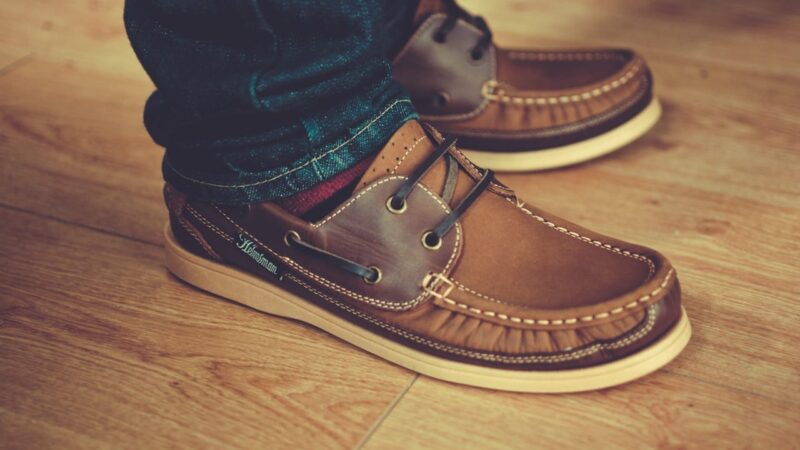
Let’s not forget that older clothes were often made to last. Before the dominance of fast fashion, garments were constructed with care, using durable fabrics and sturdy stitching. There’s a reason that a vintage Levi’s jacket or a pair of Doc Martens can still look brilliant after decades of wear; they were built for longevity. When you buy vintage, you’re investing in quality, not just aesthetics.
Many people find themselves drawn to these older garments precisely because they offer a tactile reminder of that lost craftsmanship. A lined wool coat or hand-embroidered blouse feels like a small luxury, especially in a world of polyester blends and mass production. It’s fashion with integrity.
The Future of Vintage
Vintage fashion isn’t just a passing trend; it’s becoming an integral part of how we dress and shop. As sustainability becomes a non-negotiable part of modern life, second-hand and upcycled fashion will only grow in importance. We’re already seeing high-end designers drawing inspiration from vintage silhouettes, fabrics, and detailing. In many ways, the future of fashion lies in the past.
At its heart, vintage fashion reminds us to value what already exists, to see beauty in imperfection, to cherish the stories woven into each seam. It invites us to rethink our relationship with clothing and, in doing so, reconnect with a slower, more thoughtful way of living.
The return of vintage isn’t just about looking cool or being on trend; it’s about meaning. It’s about sustainability and a love of history that feels more relevant than ever. Whether you’re wearing a thrifted denim jacket or a reworked ’70s dress, you’re not just wearing clothes. You’re wearing memories and a little bit of rebellion against today’s throwaway culture.