 admin
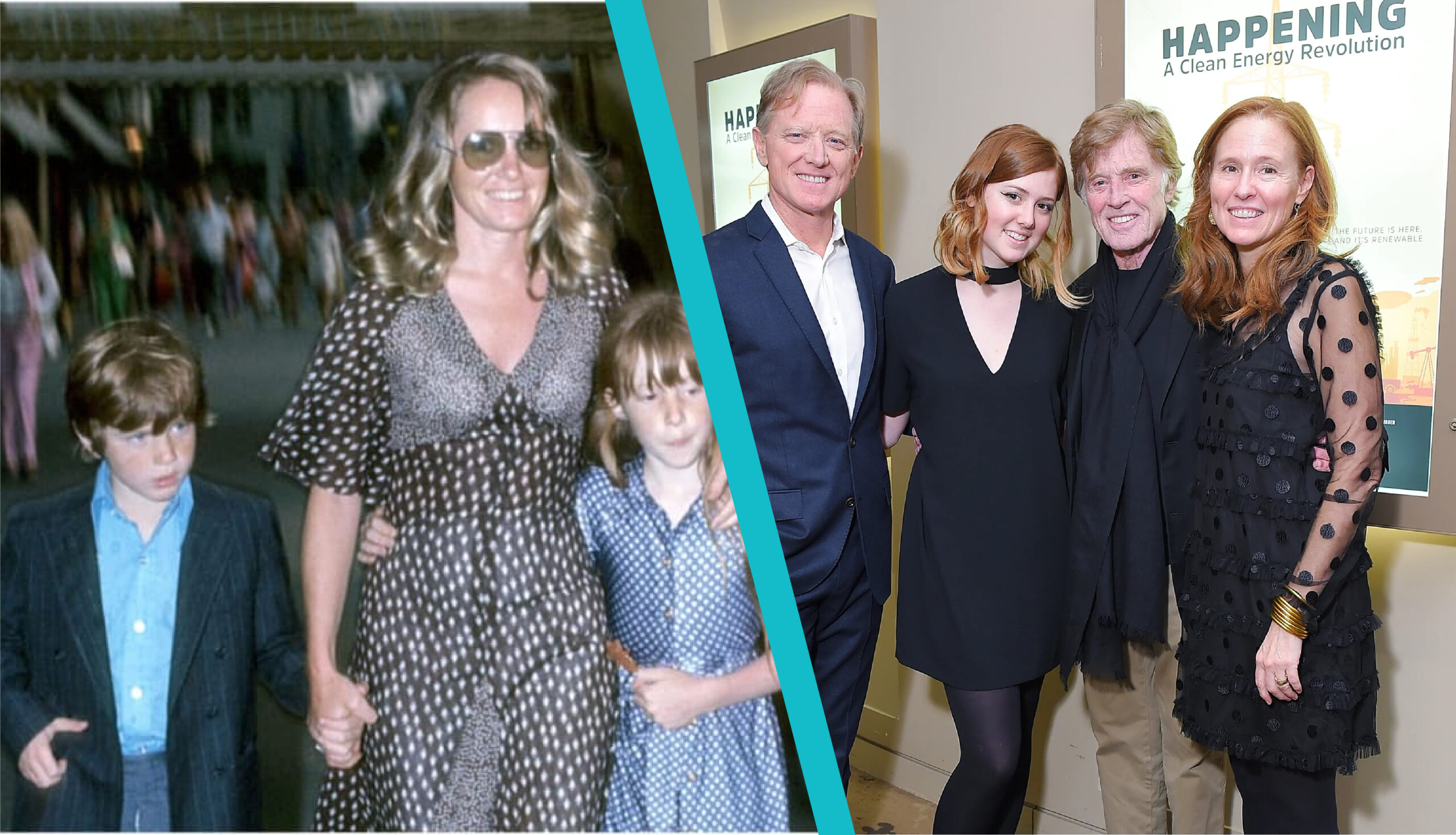
admin Shauna Redford is best known as the daughter of Robert Redford, one of Hollywood’s most respected actors and directors. But beyond her famous last name, Shauna has built her own life filled with creativity, love, and quiet strength. Her story is one of art, privacy, and the balance between legacy and independence.
Quick Bio Table: Shauna Redford
| Category | Detail |
| Full Name | Shauna Jean Redford |
| Date of Birth | November 15, 1960 |
| Birthplace | United States |
| Parents | Robert Redford and Lola Van Wagenen |
| Siblings | Scott (deceased), James (deceased), Amy |
| Education | University of Colorado Boulder (Art Degree) |
| Profession | Painter / Visual Artist |
| Spouse | Eric Schlosser |
| Marriage Year | 1985 |
| Children | Mica and Conor |
| Known For | Artistic talent and private lifestyle |
| Nationality | American |
| Zodiac Sign | Scorpio |
Early Life and Family Background
Shauna Redford was born on November 15, 1960, in the United States. She is the daughter of Robert Redford and Lola Van Wagenen, a historian and environmental activist. Growing up in a creative and intellectual household, Shauna learned early the value of art, education, and kindness. Her childhood was shaped by her parents’ deep sense of social responsibility.
She grew up alongside her siblings — Scott, James (Jamie), and Amy Redford. Sadly, her older brother Scott died in infancy, which deeply affected the Redford family. Despite such early loss, her home was filled with artistic influence and encouragement to follow her own passions.
Education and Artistic Passion
Unlike her father, Shauna Redford did not step into acting. Instead, she followed her passion for painting and visual arts. She studied at the University of Colorado Boulder, where she earned a degree in Art. During her time there, she explored different techniques in painting, learning how to express emotions through color and texture.
After graduation, Shauna began working as a painter, creating works that reflected nature, emotion, and human connection. Her art was never focused on fame or commercial success. Instead, she used her creativity as a personal language to express peace and beauty.
People Read Also: Crew Disquantified Org: An In-Depth Exploration of a Unique Organizational Model
Marriage and Family Life
In October 1985, Shauna Redford married Eric Schlosser, a respected writer and investigative journalist known for his bestselling book Fast Food Nation. Their marriage took place at her parents’ home in Provo Canyon, Utah, in a simple and intimate ceremony.
Together, Shauna and Eric have two children — Mica and Conor. The family has lived a quiet and private life away from media attention. Even though both parents are public figures, they have always valued simplicity and personal space.
Artistic Career and Personal Style
Shauna Redford is known for her painting style that often reflects natural beauty, emotional depth, and harmony. She uses warm tones and expressive brushwork to show how she sees the world. While her art is not widely exhibited, those who have seen her work describe it as soulful and thoughtful.
Her connection to nature and the environment might come from her father’s long commitment to conservation. Through her art, Shauna celebrates the same ideals that shaped the Redford family — respect for nature, love of peace, and appreciation for beauty.
The Influence of Robert Redford
Being the daughter of Robert Redford naturally brought public curiosity, but Shauna Redford has always managed to keep her own identity. Robert, known for films like The Sting and Butch Cassidy and the Sundance Kid, often spoke about how proud he was of his children’s independence.
He encouraged Shauna to follow her own dreams. This freedom helped her grow into a grounded and artistic person. She never used her father’s fame to gain attention, preferring instead to let her work and personal life speak quietly for themselves.
The Redford Family Legacy
The Redford family is known not only for cinema but also for humanitarian and environmental work. Shauna’s mother, Lola Van Wagenen, co-founded several non-profit organizations focusing on history education and women’s empowerment. This strong family culture shaped Shauna Redford’s worldview and inspired her to live meaningfully rather than publicly.
Her siblings also followed creative paths. Amy Redford became an actress and filmmaker, and James Redford was a documentary director who focused on social and health issues before his passing in 2020. Shauna continues to honor their memory by keeping their shared love of art and compassion alive.
Personal Tragedies and Strength
Shauna Redford faced heartbreak early in her life. Before her marriage, she was linked to Sid Wells, a college boyfriend whose tragic death in 1983 made national news. The case was difficult for her and her family, but Shauna handled the pain with grace and strength.
Later, when her brother James Redford passed away, she once again showed quiet resilience. Family and close friends often describe Shauna as calm, compassionate, and deeply loyal. These traits reflect her ability to stay balanced despite personal loss.
A Private Life Away from Fame
Unlike many celebrity children, Shauna Redford prefers to live outside the Hollywood spotlight. She values privacy and rarely appears in interviews or public events. Her focus remains on her family, art, and personal growth.
She occasionally attends family gatherings or film events connected to her father, but her public appearances are rare. This has helped her maintain a normal life while still honoring her family’s legacy in her own unique way.
Connection to Sundance and Creative Legacy
Robert Redford founded the Sundance Institute and Sundance Film Festival, which became symbols of independent creativity. Shauna Redford shares that same spirit in her work as a painter. Though she is not officially linked to Sundance projects, her lifestyle reflects the same belief — that art should be honest, personal, and free from commercial limits.
Her quiet creativity complements her father’s public vision, showing how different forms of art can support the same goal: inspiring others.
Motherhood and Family Values
Being a mother has been one of the most meaningful parts of Shauna Redford’s life. She and Eric Schlosser have raised their children with respect for knowledge, creativity, and kindness. They chose to keep their family life out of the headlines, focusing instead on education and personal development.
Shauna often draws inspiration from her family experiences in her artwork. Her paintings, filled with warmth and emotion, often mirror her gentle and nurturing personality.
Style, Beliefs, and Inspirations
Shauna Redford believes in living a balanced and authentic life. She is described by those who know her as humble, thoughtful, and spiritually grounded. Her art mirrors these values — calm, reflective, and full of feeling.
She has been influenced by artists who value simplicity and emotion, much like her father’s minimalist approach to storytelling in film. Shauna’s art and way of living show that creativity can exist quietly, without needing fame to validate it.
Public Appearances and Recognition
Although she rarely seeks attention, Shauna Redford has been photographed at events honoring her father’s lifetime achievements. These moments remind fans that the Redford family remains close and supportive of each other.
Her elegance and calm presence always stand out. She may not speak often in public, but when she does, she carries the same grace and intelligence that her family is known for.
Legacy and Continued Inspiration
Today, Shauna Redford continues to live a peaceful and meaningful life surrounded by art, family, and love. Her decision to stay private has only added to her quiet influence. People admire her not for being a celebrity but for being true to herself.
Through her art and actions, she shows how someone born into fame can still build a humble, authentic identity. Her story encourages others to follow their own creative path, no matter where they come from.
Conclusion
Shauna Redford represents the beauty of living life on your own terms. As the daughter of Robert Redford, she inherited creativity, depth, and passion — but she shaped them into something uniquely hers. Her art, her family, and her inner strength make her a true example of grace and individuality.
She reminds us that legacy is not only about fame but about integrity, heart, and the courage to stay genuine in a noisy world.
Continue Reading: How Tall Is Ivan Cornejo? Understanding the Height of a Rising Star
Frequently Asked Questions
1. Who is Shauna Redford?
Shauna Redford is the daughter of actor Robert Redford and historian Lola Van Wagenen. She is a painter and visual artist.
2. What does Shauna Redford do for a living?
She works as a professional painter, known for her emotional and nature-inspired artwork.
3. Who is Shauna Redford married to?
Shauna married writer and journalist Eric Schlosser in 1985.
4. Does Shauna Redford have children?
Yes, she has two children — Mica and Conor Schlosser.
5. Why is Shauna Redford famous?
She is best known as Robert Redford’s daughter, but she’s respected for her private and artistic lifestyle.