 admin
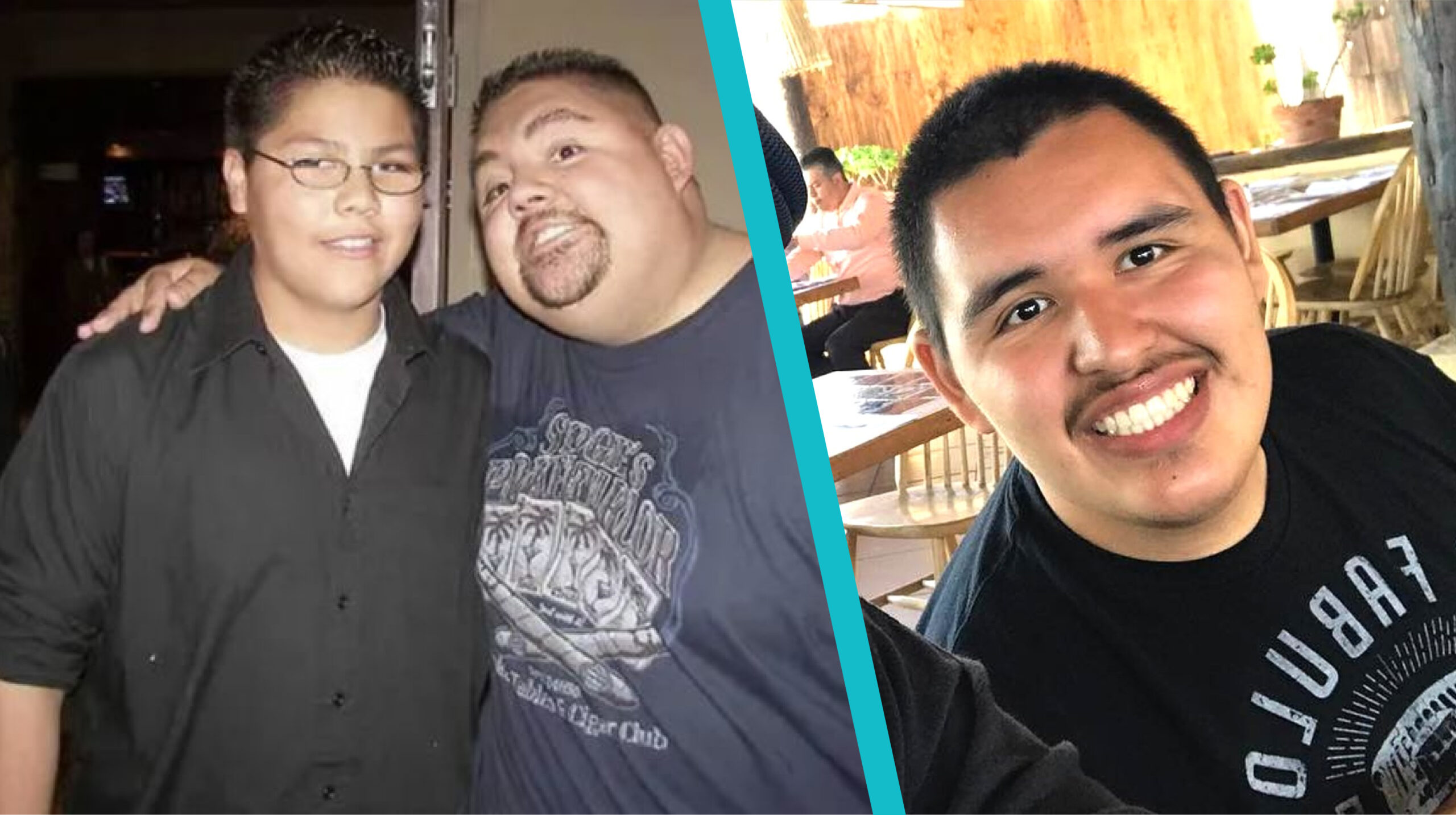
admin Being one of the world’s funniest comedians, Gabriel Iglesias, also known as “Fluffy,” is loved for his humor and kindness. But behind his jokes, there is a personal story that touches hearts — the story of Frankie Gabriel Iglesias son, the young man who changed the comedian’s life and made him softer, stronger, and more grateful.
Quick Bio Table
| Fact | Details |
| Full Name | Frankie Iglesias |
| Known As | Frankie Gabriel Iglesias son |
| Born | 1997 (approx.) |
| Age | Around 27 years old |
| Mother | Claudia Valdez |
| Father Figure | Gabriel Iglesias (Fluffy) |
| Birthplace | United States |
| Nationality | American |
| Famous For | Being Gabriel Iglesias’ beloved son |
| Education | College Graduate (Biology Major, reportedly) |
| Siblings | None (biological) |
| Relationship With Gabriel | Very close; father-son bond |
| Public Presence | Keeps a private life |
A Father Figure in the Making
Before fame reached its highest point for Gabriel Iglesias, he met Claudia Valdez, a caring woman who had a young boy named Frankie from a previous relationship. Though not his biological child, Frankie Gabriel Iglesias son quickly became the center of Gabriel’s world. Their bond grew stronger as they spent years living together as a family.
Gabriel Iglesias son Frankie was still young when Gabriel entered his life, but the comedian took on the role of a loving father. He often says that raising Frankie taught him patience, love, and balance — values he couldn’t find on the comedy stage.
Who Is Frankie, Gabriel Iglesias’ Son?
Frankie Gabriel Iglesias son was born in 1997, making him in his late twenties today. His biological mother is Claudia Valdez, a Mexican-American actress and producer. Frankie grew up in California, surrounded by laughter, film sets, and the warm support of his mother and stepfather.
Unlike many celebrity children, Frankie has lived a quiet and private life. He is not a public entertainer like his father figure, Gabriel Iglesias, but he’s been an important emotional part of the comedian’s journey.
Discover More: The Story of Hendrix Wilburn: Son of Rapper Future and Joie Chavis
The Meaning of “Family” for Gabriel Iglesias
For Gabriel Iglesias, family isn’t defined by blood — it’s defined by love, care, and shared life. The comedian has often said that Frankie Gabriel Iglesias son gave him a new reason to work hard. He became a role model for Frankie, teaching him life lessons, discipline, and kindness.
Even though Gabriel and Claudia Valdez eventually ended their relationship, his love for Frankie never faded. Many fans admire how Gabriel continues to talk about his son Frankie with pride, calling him “the best thing that ever happened” to him.
Frankie’s Private Life and Personality
Frankie Gabriel Iglesias son prefers to live out of the spotlight. While his father’s career shines brightly on stage and Netflix, Frankie keeps a low profile. Reports suggest that he’s interested in science and education, showing a thoughtful and mature personality.
People close to Gabriel Iglesias son Frankie describe him as calm, polite, and responsible — traits that reflect the values Gabriel and Claudia taught him from childhood.
Fluffy and Frankie: A Bond Built on Love
The bond between Fluffy and Frankie is truly special. Gabriel often jokes about his family during stand-up shows but rarely without love. He once said that when he looks at Frankie Gabriel Iglesias son, he feels proud that he helped raise a good man.
Even after his breakup with Claudia Valdez, Gabriel made sure to keep in touch with Frankie. Their father-son relationship continues to inspire fans who see how love can go beyond DNA.
Gabriel Iglesias’ Struggles and Growth as a Father
In 2017, Gabriel Iglesias faced emotional and health challenges that made him step away from performing. During that time, his family — especially Frankie Gabriel Iglesias son — helped him find balance. Gabriel has said that Frankie’s understanding nature gave him the strength to heal.
The comedian returned to the stage stronger, crediting Frankie for giving him purpose. He realized that fame means little without family and emotional connection.
What Does Frankie Do Now?
Fans often wonder, “What does Gabriel Iglesias’ son Frankie do now?” According to reports, Frankie Gabriel Iglesias son focuses on his personal growth and education. While details about his professional life remain private, he seems to be following his own path rather than stepping into show business.
Gabriel respects his son’s privacy and has always encouraged Frankie to live a normal, grounded life — far from Hollywood pressure.
Claudia Valdez and Frankie — A Strong Mother-Son Duo
Claudia Valdez, known for her role in Monster (2008), is not only a talented actress but also a loving mother. She raised Frankie with great care before and after meeting Gabriel. Even after the couple separated, Claudia and Gabriel both stayed supportive of their son Frankie.
The love and teamwork between Claudia Valdez and Frankie shaped much of his character. It also helped Fluffy understand how to be a father for the first time.
Fluffy’s Life Lessons from Fatherhood
Fluffy son Frankie taught Gabriel many lessons — from patience to understanding that life isn’t just about comedy tours or fame. Gabriel often shares how spending time with Frankie Gabriel Iglesias son made him a better person. It gave him a reason to slow down, reflect, and care more deeply.
He often says that the biggest applause he can ever get isn’t from fans but from being called “Dad” by Frankie.
Is Frankie Close to His Famous Father Figure Today?
Yes, very much so. Even after his parents’ split, Frankie Gabriel Iglesias son stays close to Gabriel. They are often seen at events or family gatherings. Gabriel has described their bond as “unbreakable,” built on years of trust, laughter, and respect.
Fans admire how Fluffy and Frankie continue to share love and support, proving that family connections can last even without biological ties.
A Father’s Pride
Gabriel Iglesias son Frankie represents everything the comedian is proud of. In interviews, Gabriel said that Frankie keeps him grounded and reminds him what truly matters. He has mentioned that seeing Frankie grow into an independent, kind young man makes him feel successful beyond money or fame.
In Gabriel’s heart, Frankie Gabriel Iglesias son will always be the boy who made him realize that fatherhood is the most meaningful role of all.
What Fans Love About Their Story
Fans across the world admire how Gabriel Iglesias openly shows love and emotion toward his son Frankie. In a world where many celebrities focus on themselves, Gabriel’s humility stands out. His relationship with Frankie shows that love and kindness can make anyone a better human.
Their story is proof that family is built from the heart — not only from blood.
Life Beyond the Spotlight
While Gabriel Iglesias continues to tour, film specials, and voice animated characters, Frankie Gabriel Iglesias son chooses peace and privacy. He’s a reminder that not every child of a celebrity needs the spotlight to find happiness.
Read Also: Kat Timpf Net Worth and Inheritance: A Deep Dive into the Life of a Media Personality
He values family, learning, and balance — things his father figure always wanted him to have.
A Modern Example of Love and Family
The story of Fluffy and Frankie is more than celebrity gossip — it’s a life lesson. Gabriel Iglesias, though not a biological father, showed that parenting is about presence, not birth. Frankie Gabriel Iglesias son became a symbol of love, compassion, and what it means to be family in today’s world.
Their journey reminds us that kindness, patience, and care can build relationships stronger than any title.
Frequently Asked Questions (FAQs)
1. Who is Frankie Gabriel Iglesias son?
He is the beloved son of Claudia Valdez and was raised by comedian Gabriel “Fluffy” Iglesias, who calls him his own.
2. Is Gabriel Iglesias Frankie’s biological father?
No, but Gabriel raised Frankie as his own child and continues to have a strong father-son relationship with him.
3. What does Gabriel Iglesias’ son Frankie do now?
Frankie lives a private life focused on education and personal growth, away from fame.
4. Are Gabriel Iglesias and Claudia Valdez still together?
No, they separated in 2017, but both remain caring and supportive toward their son.
5. Why is Frankie special to Gabriel Iglesias?
Because Frankie Gabriel Iglesias son helped Gabriel discover love, patience, and the true meaning of family.