 admin
admin Self-care has evolved significantly over the past decade. What was once associated mainly with occasional relaxation or indulgence is now understood as an ongoing, intentional practice that supports physical, mental, and emotional well-being. As this shift has taken place, many people have become more interested in wellness approaches that feel sustainable, flexible, and aligned with everyday life. One noticeable trend within this broader movement is the growing interest in plant-based wellness products.
In that context, brands such as Medterra are often part of conversations about how plant-derived ingredients are being integrated into modern self-care routines. While individual products vary widely in purpose and formulation, the broader appeal of plant-based options reflects changing consumer priorities around transparency, simplicity, and perceived alignment with natural processes.
To better understand why plant-based wellness has gained traction, it helps to examine how self-care expectations have changed and what people are looking for when they explore these options.
How Self-Care Has Shifted in Recent Years
Modern self-care is less about quick fixes and more about consistency. Many people now view wellness as something built through small, repeatable habits rather than dramatic interventions. This mindset has encouraged exploration of tools that can be incorporated into daily routines without feeling disruptive or overwhelming.
At the same time, access to health information has expanded. People are more likely to research ingredients, question marketing claims, and seek products that fit into a broader lifestyle that includes movement, nutrition, rest, and stress management. Plant-based wellness products often appeal to individuals who want options that feel adaptable rather than prescriptive.
This shift does not suggest that plant-based products replace medical care or evidence-based treatment. Instead, they are often seen as complementary elements within a larger self-care framework.
Why Plant-Based Products Attract Interest
One reason plant-based wellness products resonate with many consumers is familiarity. Plants have been used in various cultural wellness traditions for centuries, and while modern formulations differ significantly from historical practices, the association with long-standing use can feel reassuring.
Another factor is perceived gentleness. Many people describe plant-based products as feeling less aggressive than synthetic alternatives, even when they approach them cautiously. This perception influences how individuals choose products, particularly when they are navigating periods of physical or emotional transition.
Sustainability and environmental awareness also play a role. Some consumers associate plant-based products with lower environmental impact, ethical sourcing, or cleaner production processes. While these assumptions depend heavily on how a product is actually made, they still influence purchasing decisions and brand trust.
Integration Into Everyday Routines
A defining feature of modern self-care is flexibility. People want wellness tools that fit into their schedules rather than requiring rigid routines. Plant-based wellness products are often positioned as easy to integrate, whether that means incorporating them into a morning routine, an evening wind-down, or an existing nutrition plan.
This ease of integration matters because consistency is one of the strongest predictors of whether a self-care habit is maintained over time. When a product feels complicated or disruptive, it is less likely to be used long term. Simpler formats and clear usage guidance tend to align better with how people actually live.
At the same time, many consumers are becoming more cautious about expecting immediate results. Instead of dramatic claims, there is growing interest in gradual support that works alongside lifestyle factors such as sleep quality, stress levels, and physical activity.
The Role of Education and Transparency
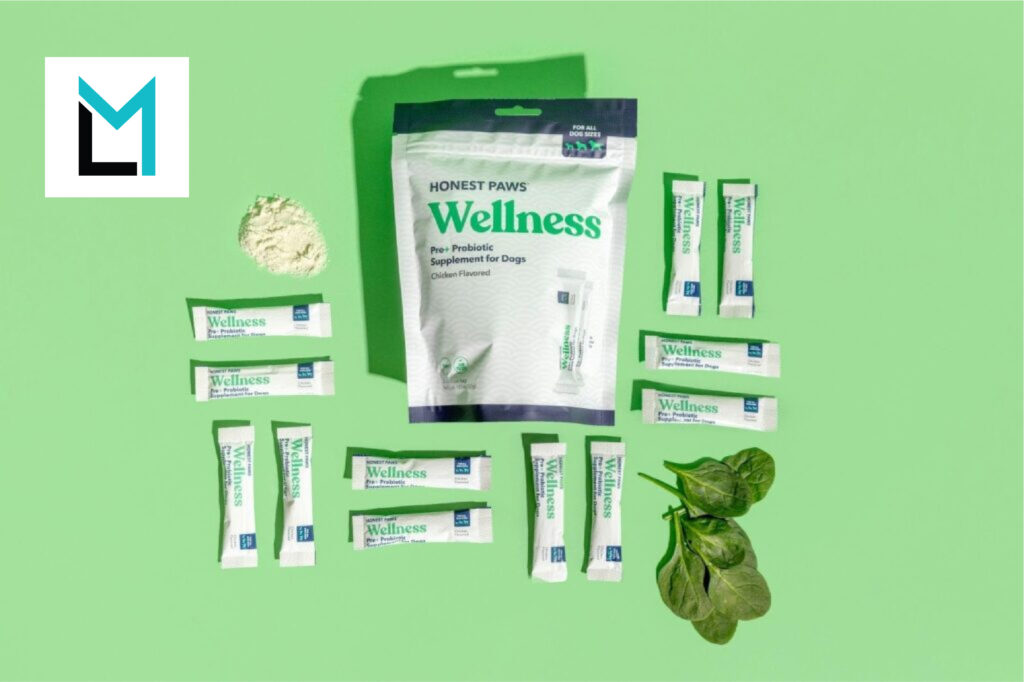
As interest in plant-based wellness has grown, so has demand for clear information. Consumers increasingly want to know what ingredients are included, how products are made, and what role they are intended to play within a routine.
This emphasis on education reflects a broader trend toward informed self-care. Rather than relying solely on marketing language, people are comparing sources, reading labels, and seeking explanations that help them make context-aware decisions.
Health organizations and research institutions frequently emphasize the importance of understanding how supplements and wellness products fit into overall health. For example, the National Institutes of Health provides general guidance on dietary supplements, including how they are regulated and how individuals can evaluate safety and claims within a broader health framework.
Read More: Crew Disquantified Org: An In-Depth Exploration of a Unique Organizational Model
While plant-based products are often part of wellness conversations, authoritative guidance reinforces that they should be approached thoughtfully and, when appropriate, discussed with qualified healthcare professionals.
Balancing Expectations With Reality
One of the most important aspects of modern self-care is managing expectations. Plant-based wellness products are not designed to replace medical treatment or resolve complex health issues on their own. Their role, when used, is typically supportive rather than corrective.
People who report positive experiences often describe subtle shifts rather than dramatic changes. These might include feeling more consistent in routines, more attentive to daily habits, or more intentional about how they support their well-being. Such outcomes are influenced by many factors, including mindset, environment, and overall lifestyle.
Understanding this context helps prevent disappointment and supports healthier decision-making. When products are viewed as part of a broader system rather than standalone solutions, they tend to be used more responsibly.
Self-Care as a Personal Process
Another reason plant-based wellness has gained visibility is personalization. Modern self-care is highly individual, shaped by personal values, cultural background, and daily realities. What feels supportive for one person may not feel relevant for another.
Plant-based options offer flexibility in this regard. They are often chosen because they align with personal preferences rather than because they promise uniform outcomes. This alignment can make self-care feel more intentional and less reactive.
As self-care becomes more normalized as a long-term practice rather than a temporary response to stress, people are increasingly selective about what they incorporate into their routines.
Looking Ahead
The growing role of plant-based wellness products reflects broader changes in how people think about health, balance, and personal responsibility. Rather than chasing perfection or instant results, many individuals are building routines that prioritize sustainability, awareness, and adaptability.
Brands such as Medterra exist within this evolving landscape, where the focus is shifting toward informed choice and long-term integration rather than trend-driven consumption. As conversations around self-care continue to mature, plant-based wellness products are likely to remain part of the discussion, not as universal answers, but as optional tools within a diverse and evolving approach to well-being.
Ultimately, modern self-care is less about what people add to their routines and more about how intentionally they engage with their own health. Plant-based wellness products, when approached thoughtfully, reflect that broader movement toward awareness, balance, and personal agency.