 admin
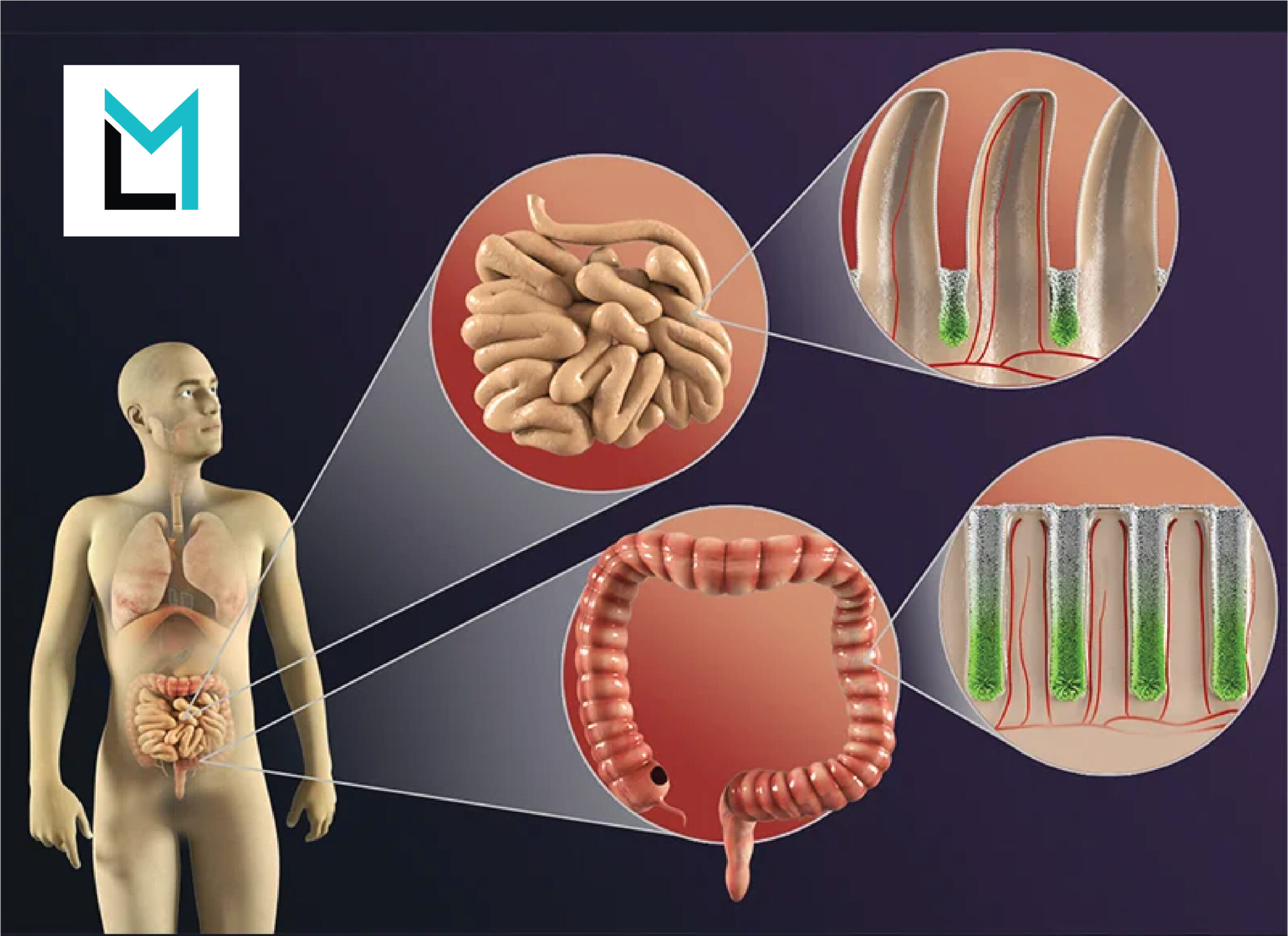
admin Medical illustrations and animations have evolved from simple textbook images into a strategic communication tool across the entire healthcare ecosystem. They bridge the gap between complex biomedical knowledge and the needs of clinicians, patients, educators, and life‑science companies. When created by trained specialists, these visuals combine scientific rigor, pedagogical thinking, and high‑end design to improve understanding, decision‑making, and clinical outcomes.
What Medical Illustrators and Animators Do
Medical illustration https://scientific-illustrations.com/portfolio/medical-illustrations is a specialized discipline that merges deep knowledge of anatomy, physiology, and pathology with professional visual communication skills. Medical animators extend this expertise into motion, using 2D and 3D tools to depict processes over time.
Key tasks of medical illustrators and animators include:
- Creating accurate visuals of anatomy, diseases, and procedures
- Developing step‑by‑step surgical or interventional sequences
- Visualizing mechanisms of action for drugs and devices
- Designing educational and marketing materials for different audiences
- Adapting content for print, web, e‑learning, VR, and AR
Core Areas of Application in Healthcare
Medical illustrations and animations https://scientific-illustrations.com/portfolio/animation are used wherever complex medical information must be explained clearly and efficiently.
Typical application areas:
- Clinical education for students, residents, and practicing professionals
- Patient education and informed consent materials
- Scientific publications, posters, and conference presentations
- Pharmaceutical and medical device communication and training
- Public health campaigns and health‑literacy initiatives
Benefits for Education and Training
Visual content is particularly powerful in medical education, where spatial relationships and dynamic processes are critical.
Medical illustrations and animations help:
- Clarify complex anatomical structures and variants
- Show perspectives that are impossible in the operating room or cadaver lab
- Demonstrate dynamic processes such as blood flow, injury mechanisms, or disease progression
- Support simulation‑based training, e‑learning modules, and microlearning formats
For surgical and interventional training, animations can recreate realistic procedural workflows, including device handling, access routes, and potential complications, without risk to patients.
Enhancing Patient Communication and Compliance
Patients frequently struggle to understand diagnoses, risks, and treatment options when information is presented only verbally or in dense text. Well‑designed visuals make this information tangible and less intimidating.
Effective patient‑facing visuals typically:
- Use simplified but anatomically honest drawings
- Highlight only the structures and steps relevant to the patient
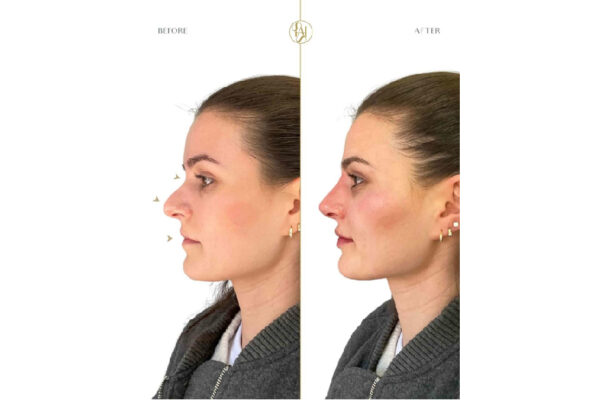
- Show before‑and‑after states of treatment or surgery
- Explain rehabilitation, lifestyle changes, and medication regimens
Such materials increase understanding, reduce anxiety, and support adherence to treatment plans, especially for people with low health literacy or limited language skills.
Continue Reading: Crew Disquantified Org: An In-Depth Exploration of a Unique Organizational Model
Value for Pharma, MedTech, and Biotech
For life‑science companies, medical illustrations and animations are central to explaining innovation and differentiating products in competitive markets.
Common uses include:
- Mechanism‑of‑action animations for new drugs or biologics
- Visualizations of device design, deployment, and performance in the body
- Training content for sales teams, clinicians, and support staff
- Assets for congress booths, investor decks, and digital campaigns
High‑quality visuals help align scientific, regulatory, marketing, and medical affairs teams around a coherent story that remains accurate and compliant while still being engaging.
Workflow and Technology Behind the Visuals
Professional medical visualization follows a structured workflow similar to that of scientific projects.
Typical stages:
- Requirement analysis and audience definition
- Research and collection of references, including imaging and clinical input
- Sketching and storyboarding for structure and narrative
- Detailed illustration, 3D modeling, texturing, and animation
- Medical review and compliance checks
- Final rendering, localization, and adaptation for platforms
Tools range from digital painting and vector software to advanced 3D, compositing, and interactive engines. Increasingly, assets are built as reusable 3D models that can be deployed across animation, apps, VR environments, and interactive explainers.
Career Landscape and Professional Skills
Medical illustration and animation form a recognized profession with established associations, training programs, and ethical standards. Specialists work in hospitals, universities, agencies, publishers, startups, and large healthcare companies.
Key skills for professionals in this field:
- Strong foundation in human anatomy and biomedical sciences
- Mastery of drawing, composition, and visual hierarchy
- Proficiency in 2D and 3D software, animation, and basic interaction design
- Ability to collaborate with clinicians, scientists, marketers, and regulators
- Strict attention to scientific accuracy, privacy, and ethical communication
Future Trends in Medical Visualization
Emerging technologies are expanding what medical illustrations and animations can do. Virtual and augmented reality enable immersive training, preoperative planning, and patient education. Interactive 3D models integrated into digital records and apps allow personalized views of a patient’s anatomy or pathology. Artificial intelligence tools are beginning to support asset generation and adaptation, while human experts remain responsible for accuracy, narrative, and design.