 admin
admin Leiana Evensen is best known as the loving partner and now wife of Lyssa Chapman, daughter of the famous TV star Duane “Dog the Bounty Hunter” Chapman. Their wedding in Hawaii in June 2022 drew attention worldwide. While Lyssa has been in the spotlight for years, Leiana’s life story is more private. This biography explores her early life, personal values, career interests, and her beautiful marriage journey with Lyssa Chapman.
Quick Bio Table
| Fact | Details |
| Full Name | Leiana Evensen |
| Known For | Wife of Lyssa Chapman |
| Marriage Date | June 3, 2022 |
| Marriage Place | Hawaii, USA |
| Partner | Lyssa Chapman |
| Family Connection | Chapman family (Dog the Bounty Hunter’s family) |
| Career Interest | Fitness and Wellness |
| Residence | Hawaii |
| Public Image | Private, supportive, positive |
| Famous Event | Marriage to Lyssa Chapman |
| Media Coverage | People, E! News, Page Six |
| Lifestyle | Outdoor, island life, healthy living |
| Values | Love, loyalty, wellness |
Early Life of Leiana Evensen
Leiana Evensen grew up in a close family where values like kindness, loyalty, and self-respect were important. She has shared only limited details about her childhood, which shows her preference for privacy. Unlike many celebrity partners, she does not seek fame for herself. Instead, she focuses on building a balanced life full of health, love, and community values.
From her social media presence, it is clear that Leiana has always been drawn to fitness, wellness, and a healthy lifestyle. These interests shaped her personality and also guided her professional and personal life choices.
Career and Passions
Leiana has been linked with fitness and wellness work in Hawaii. She often shares photos connected to an active and healthy lifestyle. Her focus on exercise, self-care, and physical strength shows that she has a passion for helping others feel strong and confident.
Her career path may not be widely documented, but her actions and posts highlight a commitment to community health and well-being. She values nature, healthy living, and supporting people around her.
Relationship with Lyssa Chapman
The relationship between Leiana Evensen and Lyssa Chapman began many years before their marriage. According to Lyssa’s own words, they spent about five years together before tying the knot. Their bond grew stronger through shared experiences, adventures, and daily life in Hawaii.
Further: Exploring Christie Sides Husband, Children, and Family Life
Lyssa, who is a well-known TV personality from Dog the Bounty Hunter, often praises Leiana for her support and kindness. Together, they have built a life based on trust, respect, and love.
The Wedding in Hawaii
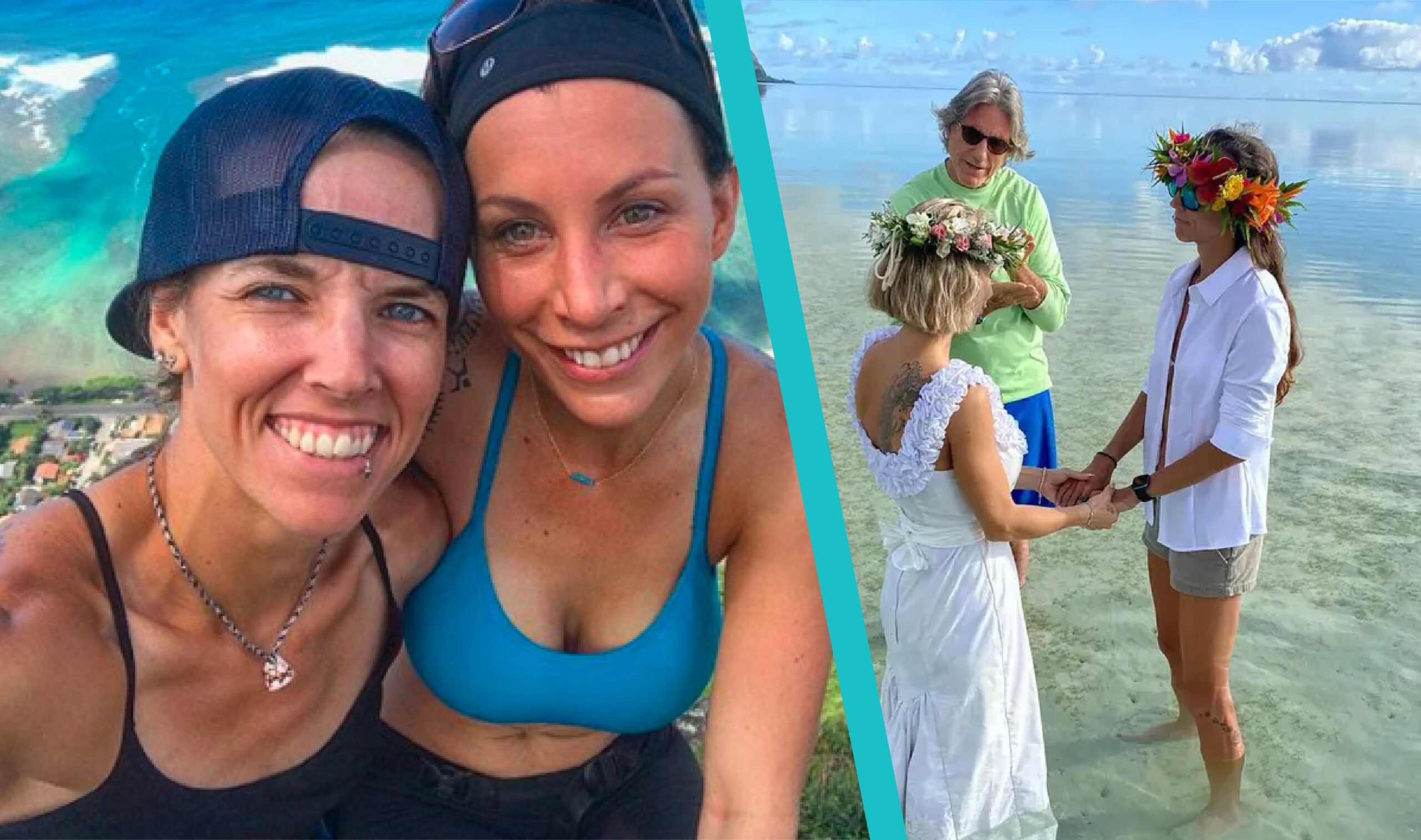
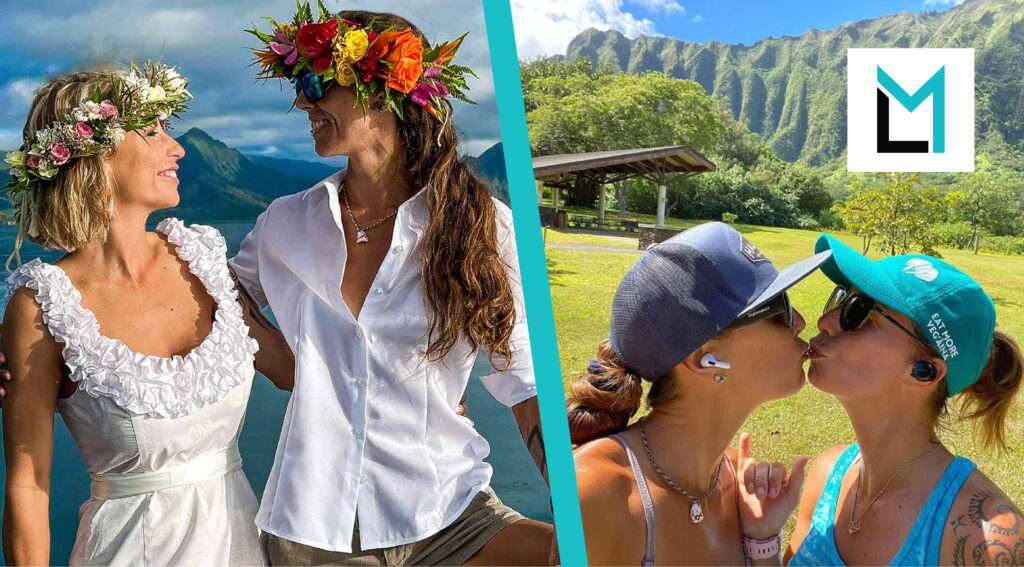
On June 3, 2022, Leiana Evensen and Lyssa Chapman exchanged vows in a private and intimate ceremony in Hawaii. The ceremony was held on a boat surrounded by the natural beauty of the ocean. Only a few family members and close friends attended.
Photos shared on social media showed both Leiana and Lyssa looking happy and glowing. Lyssa wrote a heartfelt post describing how special the day was. This wedding became a moment of celebration not only for them but also for their supporters around the world.
Family Life and Community
Leiana is now part of the Chapman family, which is famous because of Duane “Dog the Bounty Hunter.” While the family has often been in the spotlight, Leiana remains calm and prefers privacy. She focuses on her direct circle of family and friends.
Her family life in Hawaii reflects peace and connection with nature. Both Leiana and Lyssa enjoy spending time outdoors, embracing the island lifestyle of beaches, sunshine, and relaxation.
Personal Traits and Values
People who know Leiana Evensen describe her as gentle, caring, and dedicated. Her social posts show that she values authentic living, physical wellness, and love for her partner. She is not someone who chases attention but someone who inspires quietly through her actions.
Her life story teaches us that strength comes not only from fame but also from living in alignment with personal values. By keeping her private life simple and focused, she has created an inspiring example for many.
Public Image and Media
Though Leiana herself does not seek media attention, her marriage to Lyssa naturally drew coverage from outlets like People Magazine, E! News, and Page Six. These platforms highlighted the couple’s marriage, making their love story more visible to the public.
Still, Leiana manages to balance being part of a famous family while keeping her identity true to herself. This balance is rare in the world of celebrity culture and shows her strength of character.
Life with Lyssa Today
Today, Leiana Evensen continues to live in Hawaii with Lyssa Chapman. Their social media posts often feature moments of love, travel, and family time. Both women highlight fitness, positivity, and healthy living.
Their marriage remains a reminder that love can thrive when it is built on respect, patience, and shared dreams. Leiana’s role in Lyssa’s life is both supportive and equal, making her a true partner in every sense.
Legacy and Impact
Though not a public figure in the traditional sense, Leiana Evensen inspires many through her quiet strength and devotion. Her relationship with Lyssa has become an example of love and acceptance, celebrated by many supporters across the world.
People Read Also: Leslie Hamilton Gearren: Life, Career, and Tragic Passing
Her biography proves that one does not need fame or loud recognition to create a meaningful impact. By being herself, Leiana shows that real influence comes from love, authenticity, and care for others.
Conclusion
The story of Leiana Evensen is one of love, balance, and personal growth. From her early life focused on health and family to her marriage with Lyssa Chapman, she has shown grace and strength. She may not be a celebrity in her own right, but her presence in Lyssa’s life has become a source of inspiration for many.
Her journey reminds us that behind every well-known figure, there are loved ones whose stories matter too. In this way, Leiana’s biography is not only about her but also about the power of love and living true to your values.
FAQs
1. Who is Leiana Evensen?
Leiana Evensen is the wife of Lyssa Chapman, known from Dog the Bounty Hunter.
2. When did Leiana Evensen marry Lyssa Chapman?
She married Lyssa on June 3, 2022, in Hawaii.
3. What does Leiana Evensen do?
She is connected to fitness and wellness, focusing on healthy living.
4. Where does Leiana Evensen live?
She lives in Hawaii with Lyssa Chapman.
5. Why is Leiana Evensen famous?
She is known for her marriage to Lyssa Chapman and her positive lifestyle.