 admin
admin Greece has long been one of the UK’s favourite travel destinations. From its historic cities to its iconic islands, the country offers a balance of culture, relaxation and natural beauty that appeals to many different types of travellers. But while Greece itself feels timeless, the way people travel there has changed significantly. Today’s trips are more flexible, more spontaneous and increasingly shaped by digital habits.
Greece through the lens of modern travel
Many travellers no longer follow rigid itineraries planned months in advance. Instead, they book a flight, choose their first stop and let the journey unfold. In Greece, this might mean deciding on the next island at the last minute, extending a stay somewhere unexpected or discovering quieter locations recommended by locals.
This style of travel relies heavily on access to information in real time. Ferries, accommodation, restaurants and experiences are often booked on the go, allowing visitors to adapt their plans to weather, mood or opportunity.
How people really travel around Greece today
Island hopping has become one of the most popular ways to explore Greece, especially among UK travellers. Moving between islands requires checking ferry schedules, navigating ports and staying updated on potential changes. In cities like Athens or Thessaloniki, travellers depend on maps, transport apps and local reviews to move efficiently and avoid tourist traps.
Whether it’s finding a beach outside the main routes or a taverna recommended by locals, connectivity helps travellers make better, more informed choices.
Why connectivity matters while travelling in Greece
Staying connected while travelling is no longer just about convenience. It plays a key role in navigation, communication and overall peace of mind. Travellers use mobile data to access digital tickets, contact accommodation hosts, check directions or translate menus and signs.
Relying solely on public Wi-Fi can be limiting, especially when moving between locations or exploring less touristy areas. Having consistent access to mobile data allows travellers to stay independent and confident throughout their journey.
Rethinking mobile data abroad
Since the UK is no longer part of EU roaming agreements, many travellers are more aware of mobile data costs when visiting countries like Greece. Public Wi-Fi is often available in cafés or hotels, but it can be unreliable or inconvenient when out exploring.
Continue Reading: How to Prevent Condensation in January: Ventilation, Heating and Insulation
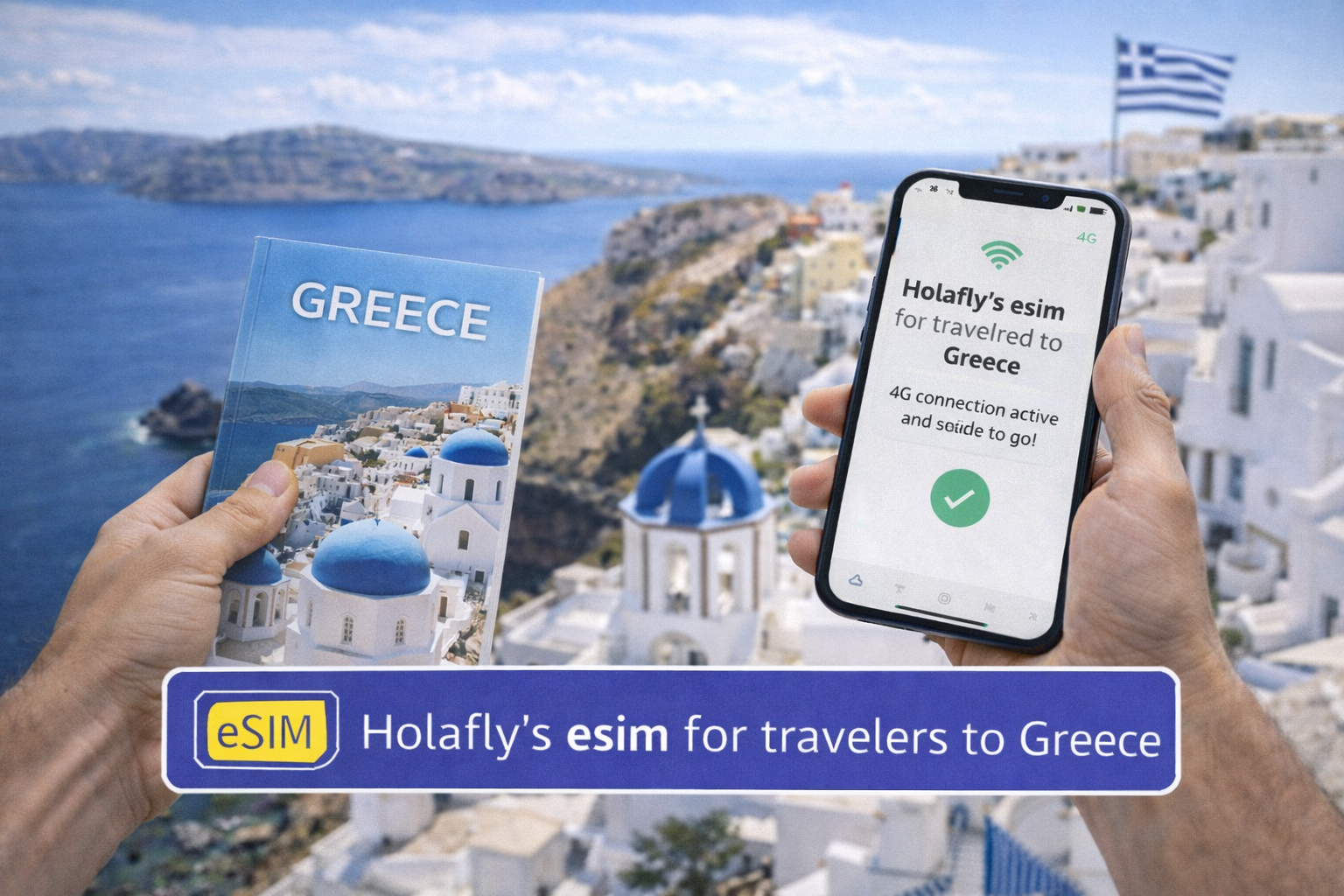
As a result, more travellers are choosing to plan their connectivity in advance. In this context, options such as Holafly’s esim for travelers to Greece fit seamlessly into a more flexible and digitally prepared way of travelling, offering access to mobile data without the need to rely on local networks or physical SIM cards.
Who benefits most from staying connected
This approach suits a wide range of travellers. Couples and solo travellers appreciate the freedom to explore without fixed plans. Digital nomads and remote workers benefit from reliable access to essential tools. Those visiting multiple islands enjoy the simplicity of staying connected throughout the trip without interruption.
Even first-time visitors often find that having mobile data available removes unnecessary stress and helps them focus on enjoying the experience.
Technology as a quiet travel companion
When used well, technology doesn’t distract from travel – it supports it quietly in the background. Staying connected allows travellers to move with confidence, adapt easily and spend less time worrying about logistics.
In a destination as diverse and dynamic as Greece, this balance between freedom and preparation can make all the difference, turning a good trip into a truly memorable one.